How to Present Geographic Data to United States Executives

Presenting geographic data to U.S. executives is very different from presenting it to analysts, engineers, or operations teams. Executives are not evaluating the data itself. They are evaluating decisions. Your maps and geographic visuals are successful only if they help leaders understand risk, opportunity, and direction quickly and confidently. Many organizations fail here. They show … Read more
What Data to Include in a Business Location Map

A business location map is only as good as the data behind it. Yet many organizations either overload maps with unnecessary information or omit the data that actually supports decisions. The result is a map that looks impressive but fails to answer real business questions. For mapsandlocations.com clients, the goal is simple: include only the … Read more

How to Design Location Maps for United States Clients

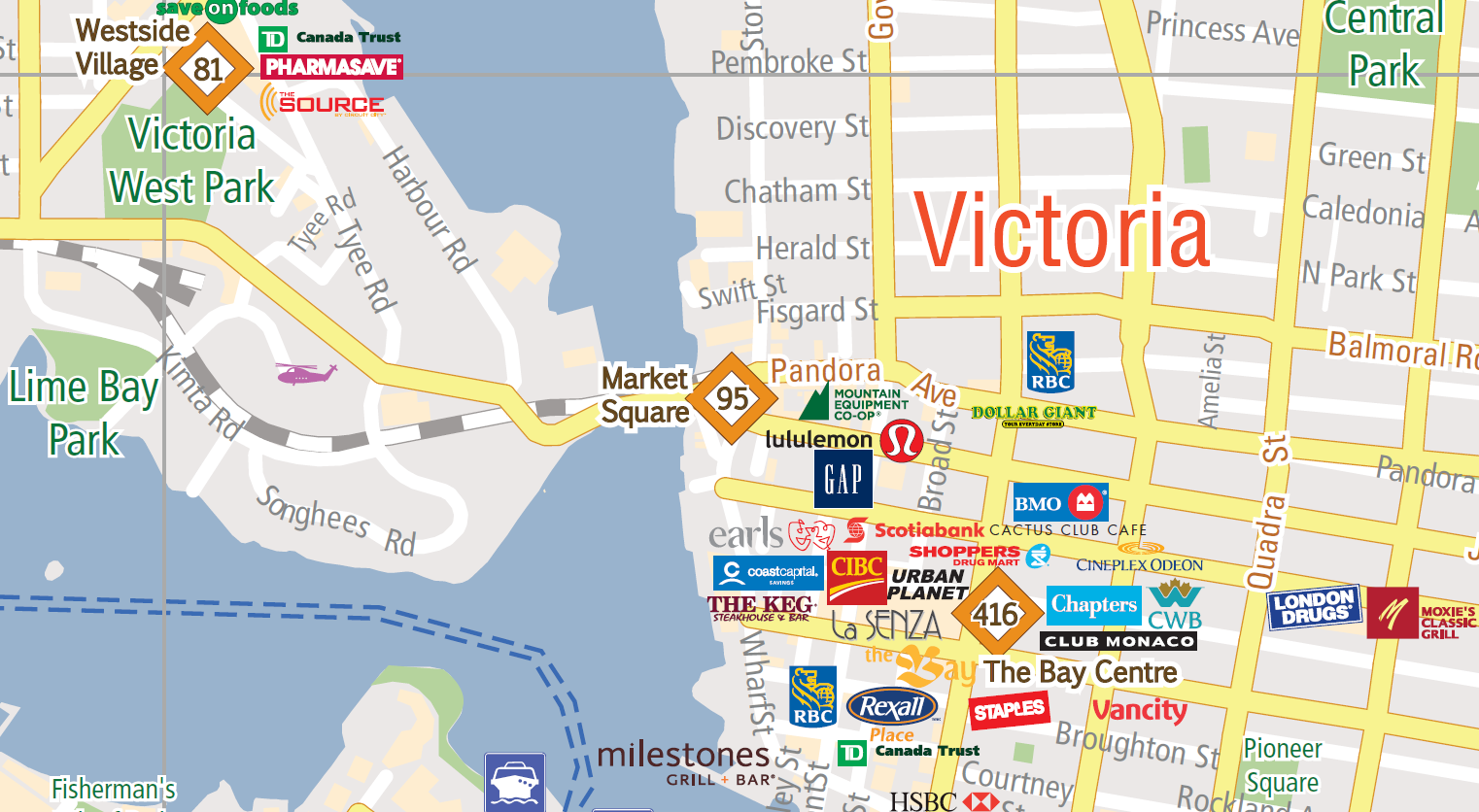
Victoria Real Estate Map by mapsandlocations.com

Designing location maps for U.S. clients is not just a cartographic task. It is a business communication exercise. Whether the map is used in a pitch deck, website, report, dashboard, or marketing collateral, U.S. clients expect maps to be clear, purposeful, brand-aligned, and decision-oriented. A technically accurate map that fails to communicate intent is still … Read more

Why Many United States Companies Make Big Mistakes With Maps

Maps are everywhere in modern business. They appear in pitch decks, dashboards, marketing pages, logistics tools, investor reports, and internal strategy documents. Yet despite their ubiquity, many U.S. companies consistently misuse maps. The result is not just poor design, but real business consequences: confused stakeholders, wrong conclusions, lost trust, and missed opportunities. These mistakes rarely … Read more

Why Designers, Not Engineers, Should Control Maps in Presentations

Maps inside presentations are not engineering artifacts — they are communication tools. In boardrooms, pitch decks, investor updates, sales demos, and strategy reviews, a map’s job is not to be technically correct in every possible dimension, but to make one idea instantly legible. For this reason, designers — not engineers — should control maps in … Read more

Interactive Maps vs Static Maps: Which Do United States Clients Prefer?

Maps are no longer just paper folds or static screenshots — they’re products. For U.S. clients deciding between interactive and static maps, the choice is driven less by novelty and more by specific business goals: clarity of message, user task, budget, and technical constraints. This article breaks down the practical differences, typical use-cases, decision factors, … Read more

Why Screenshots of Google Maps Fail in Executive Presentations

Executive presentations are high-stakes environments. Decisions made in boardrooms shape capital allocation, strategy, risk appetite, and organizational priorities. In these moments, clarity, credibility, and focus matter more than familiarity. Yet many teams still rely on screenshots of Google Maps in executive decks—often without realizing how much this choice undermines their message. Google Maps is an … Read more

Custom Maps vs Google Maps: What US Businesses Should Use

For many US businesses, maps begin with convenience. A quick embed, a familiar interface, and instant recognizability make Google Maps the default choice. But as companies mature, scale operations, or move into data-driven decision-making, a critical question emerges: Should we keep using Google Maps, or invest in custom maps? The answer is not about which … Read more

Visualizing Census and Demographic Data With Maps

Census and demographic data sit at the foundation of countless decisions in the United States—from public policy and urban planning to business strategy, healthcare access, and infrastructure investment. Yet this data is notoriously complex. Tables, spreadsheets, and statistical summaries struggle to convey the lived reality behind population numbers. Maps change that. When census and demographic … Read more

Maps for Grant Proposals and Public Funding in the US

Grant proposals and public funding applications in the United States are exercises in clarity under constraint. Applicants must demonstrate need, alignment with policy goals, feasibility, and impact—often within strict page limits and competitive review environments. In this context, maps are not optional visuals; they are decision-making accelerators. Used well, maps translate dense narratives into place-based … Read more