Why SaaS Companies Use Custom Maps Instead of Google Maps Screenshots
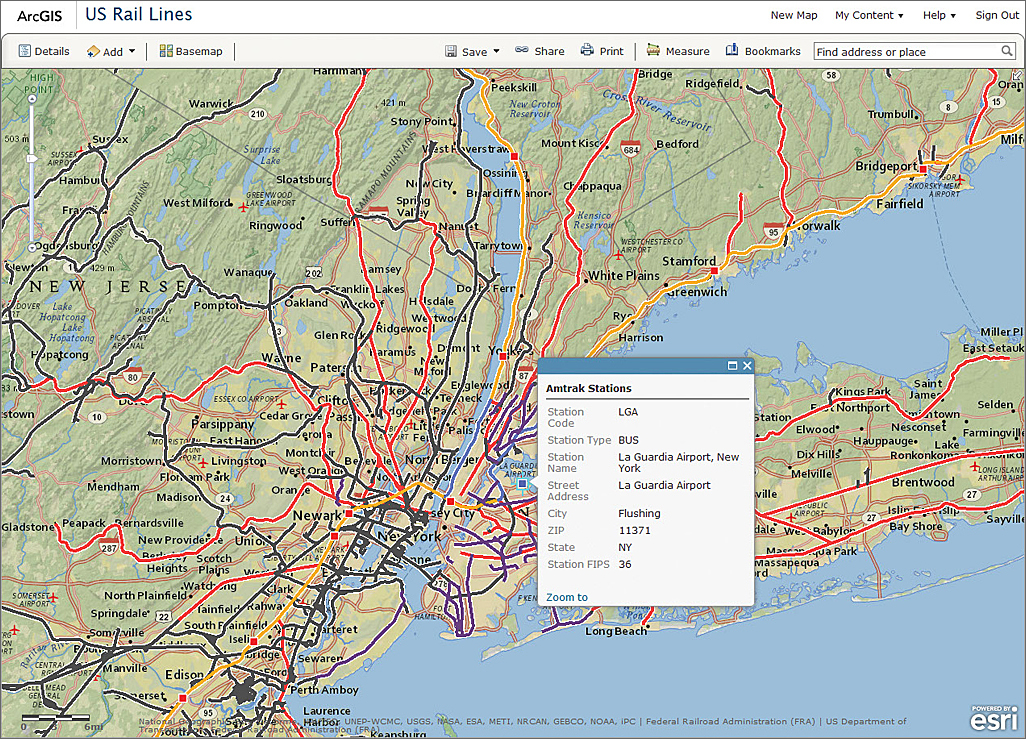
In the early stages of a SaaS product, it’s common to see a quick workaround: a screenshot of Google Maps dropped into a slide deck, landing page, or demo. It’s fast, familiar, and visually acceptable. But as SaaS companies mature, this approach almost always disappears.
Successful SaaS platforms—especially in logistics, fintech, proptech, mobility, climate, and enterprise analytics—consistently shift toward custom maps. This is not a cosmetic upgrade. It’s a strategic product decision driven by control, clarity, differentiation, and long-term scalability.
From a product and business perspective, screenshots of generic map services simply cannot keep up with what SaaS companies need to communicate.
Screenshots Are Static; SaaS Products Are Dynamic
At its core, SaaS is about real-time systems:
- Live data updates
- User-driven interactions
- Context-aware insights
A static map screenshot freezes geography at a single moment. It cannot:
- Update with new data
- Reflect user filters
- Respond to system logic
Custom maps, by contrast, are living components of the product. They update as data changes, respond to user behavior, and adapt to different use cases. For SaaS companies selling intelligence—not just information—static visuals undermine credibility.
Custom Maps Align With the Product’s Mental Model
Every SaaS product has a specific way of understanding the world:
- A logistics platform thinks in routes, hubs, and delivery zones
- A sales platform thinks in territories, coverage, and accounts
- A climate platform thinks in risk layers, thresholds, and impact zones
Generic consumer maps are designed for navigation, not analysis. They impose their own visual priorities—roads, labels, landmarks—that often conflict with a SaaS product’s logic.
Custom maps allow companies to:
- Highlight only what matters
- Suppress irrelevant details
- Match visuals to product workflows
This alignment reduces cognitive load and makes the product feel purpose-built rather than assembled from borrowed parts.
Brand Differentiation Demands Visual Ownership
In crowded SaaS markets, differentiation is rarely about features alone. It’s about how clearly and confidently those features are presented.
Using the same map style as thousands of other products signals:
- Commodity thinking
- Low design maturity
- Limited brand control
Custom maps reinforce brand identity through:
- Color systems
- Typography
- Visual hierarchy
- Interaction patterns
When maps feel native to the product, they become part of the brand. This is especially important in enterprise SaaS, where visual polish is often equated with reliability and scale.
Legal, Licensing, and Compliance Realities
Screenshots of third-party map services raise immediate legal and operational concerns:
- Licensing restrictions
- Attribution requirements
- Usage limits in marketing and sales material
As SaaS companies grow, these risks compound—especially when products are sold globally or embedded in client workflows.
Custom maps eliminate ambiguity. They give companies:
- Full usage rights
- Control over distribution
- Confidence in compliance
For regulated industries, this clarity is not optional—it’s expected.
Data Visualization Requires More Than Roads and Pins
SaaS products increasingly compete on insight, not raw data. This requires sophisticated visualization:
- Heatmaps
- Isochrones
- Density clusters
- Risk overlays
- Predictive zones
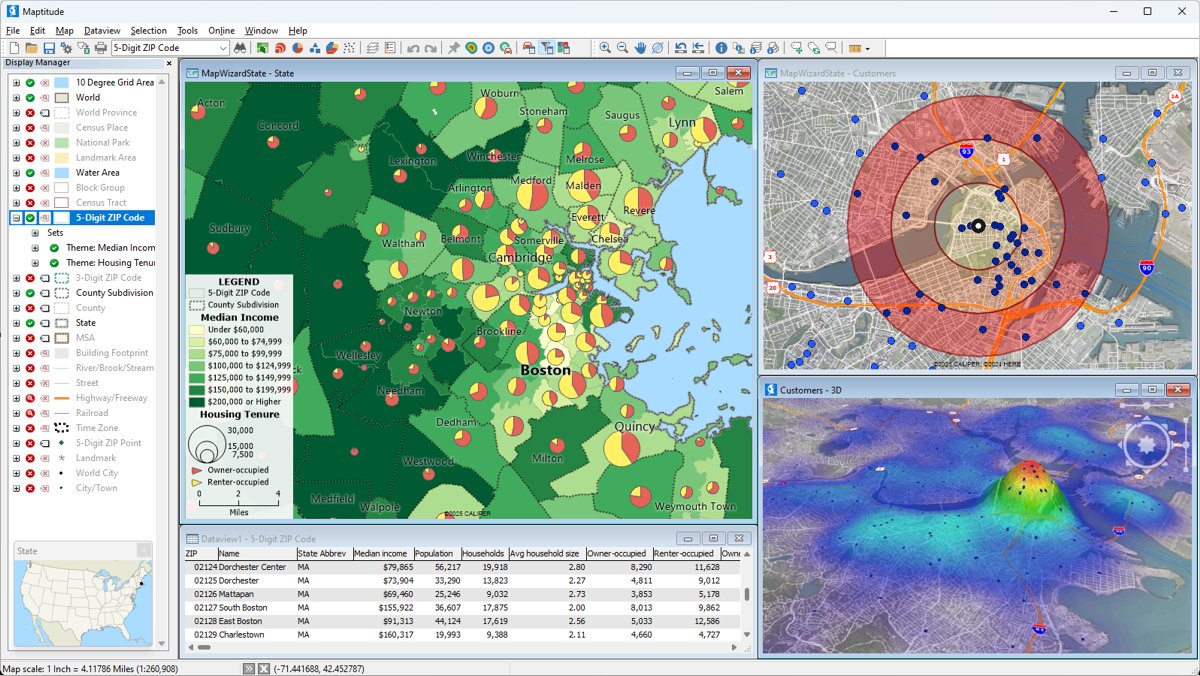
Generic map screenshots are incapable of expressing layered analysis. Even when overlays are possible, screenshots flatten meaning and remove interactivity.
Custom maps are designed around data first. Geography becomes a canvas for intelligence, not the message itself. This shift is critical for SaaS companies positioning themselves as decision-support platforms.
Performance, Scalability, and Product Control
Relying on screenshots or externally styled maps introduces dependencies:
- Third-party UI changes
- Performance constraints
- Inconsistent rendering across devices
Custom mapping stacks give SaaS teams control over:
- Load performance
- Rendering logic
- Feature prioritization
As user bases scale, this control becomes essential. Maps move from being “nice to have” visuals to core infrastructure components of the product.
Enterprise Buyers Expect Purpose-Built Interfaces
Enterprise SaaS buyers are sophisticated. They can instantly tell when a product relies on shortcuts.
A map screenshot suggests:
- Prototype-level thinking
- Limited roadmap maturity
- Potential technical debt
Custom maps, on the other hand, signal:
- Long-term investment
- Domain expertise
- Product seriousness
In enterprise sales cycles, perception matters. Visual depth often influences trust before technical due diligence even begins.
Custom Maps Support Storytelling in Sales and Onboarding
SaaS growth depends on clear storytelling:
- What problem do you solve?
- Where does value appear?
- How does the system adapt to scale?
Custom maps allow teams to:
- Highlight before-and-after states
- Guide users through scenarios
- Demonstrate outcomes visually
Screenshots can only show where something is. Custom maps can show why it matters.
This distinction is crucial in demos, onboarding flows, and customer success materials.
From Visualization to Competitive Moat
Over time, custom maps stop being a feature and start becoming a moat.
They encode:
- Proprietary data structures
- Unique spatial insights
- Workflow-specific interactions
These are difficult for competitors to copy quickly. A screenshot can be replicated in minutes. A well-designed custom mapping system reflects deep product understanding and years of iteration.
For SaaS companies aiming for defensibility, this matters.
Why the Shift Is Accelerating Now
Several trends are accelerating the move away from generic map visuals:
- Growth of location-aware data
- Increased competition in SaaS verticals
- Higher buyer expectations for UX
- Demand for explainable, visual intelligence
As SaaS products become more embedded in operational decision-making, visual shortcuts become liabilities.
Conclusion: Custom Maps Are a Strategic Product Choice
SaaS companies do not abandon Google Maps screenshots because they look bad. They abandon them because they limit clarity, control, and credibility.
Custom maps align visuals with product logic, strengthen brand identity, support advanced data storytelling, and scale with the business. They transform geography from a background element into a core layer of value.
For platforms like mapsandlocations.com, this shift reflects a broader truth: in modern SaaS, maps are not just visuals—they are interfaces, narratives, and competitive advantages rolled into one.